
A recent WorkSafe alert tells the story of a Possum Trapper with more than 50 years’ experience who rolled his quad down a steep gully in a remote part of New Zealand. He suffered seven broken ribs, torn muscles in his back and a badly damaged shoulder.
He credits his survival to the controls he had in place: crush protection, a helmet and a personal locator beacon.
You do not need to be remote to be isolated
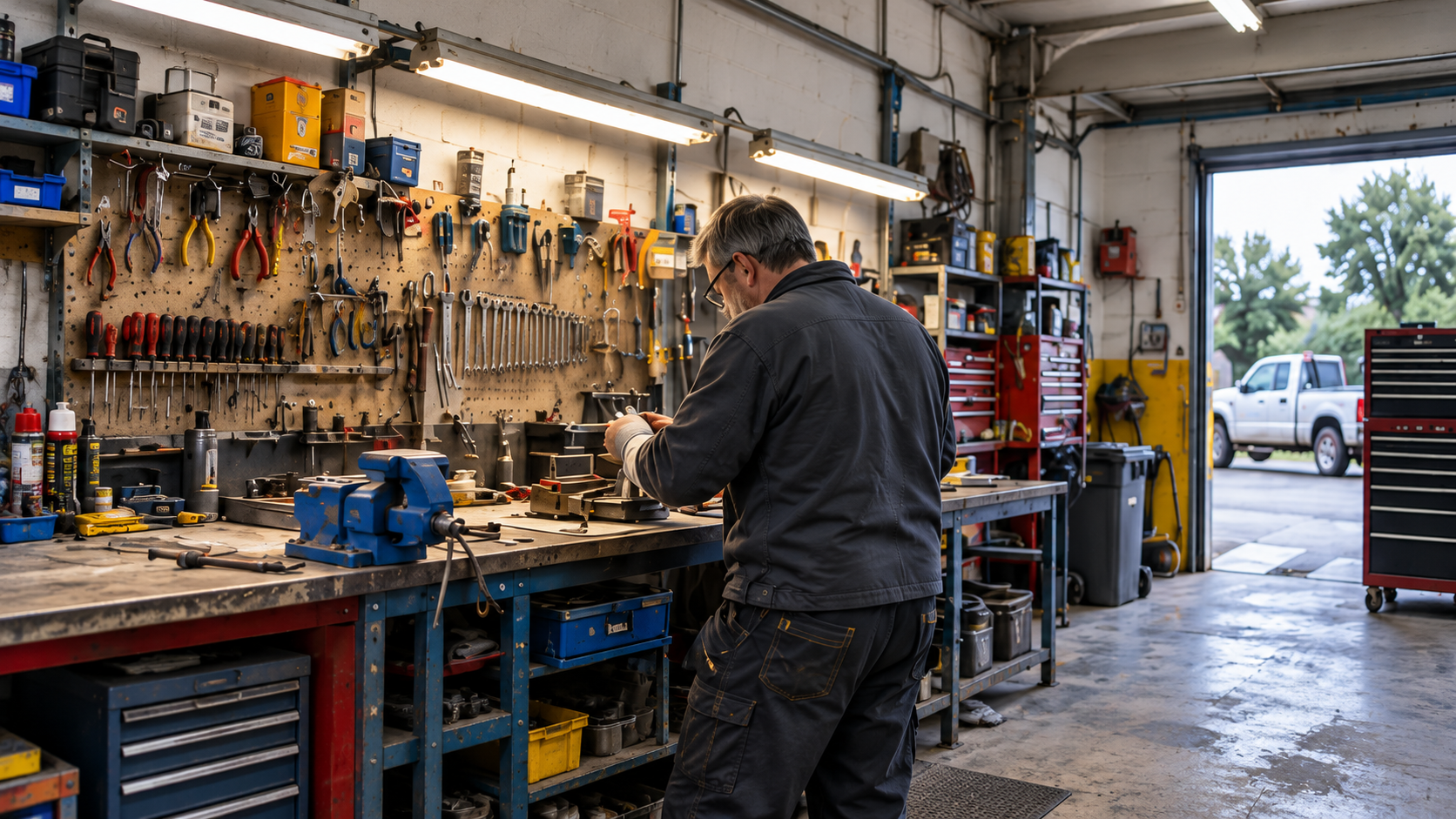
That might sound like a lesson for farmers and forestry crews, but the risk extends to lots of industries; a mechanic staying late, a cleaner in an empty building or a care worker making a solo home visit.
Help may be nearby without anyone being able to see or hear a worker. Equally, a small team in a remote location can face a lengthy wait for emergency assistance. Delayed response can turn a minor into a major, whether the emergency involves an injury, a medical event or a vehicle incident.
A mobile phone is not a safety system
Phones lose reception, batteries go flat and devices can be damaged in accidents. A worker who is unconscious, trapped or seriously injured may not be able to call.
“Give me a text when you’re finished” is only useful if someone is responsible for noticing that the text never arrives.
Test your primary communication method and an appropriate backup. Ensure they are suited to the location and conditions. Your system should not depend entirely on the person in danger being able to raise the alarm.
Plan the work and the response
Before lone work begins, consider whether it can be avoided, rescheduled or completed with a buddy. Is your employee trained, competent, authorised and appropriately equipped?
Assess and document the task, location, foreseeable risks, communication coverage and emergency response arrangements.
A check-in process should identify:
Who monitors the worker and knows where they are expected to be
When contact is due, the maximum interval between check-ins and what information the worker must provide
Who follows-up missed contact, when to escalate and when to request emergency assistance
Set the frequency of contact according to the risks. The person monitoring must understand the process and be available to act.
Using technology
The communication method needs to suit the location: cellphones, radios, satellite phone, emergency alarm, personal locator beacon, man-down device or CCTV monitoring systems.
Man-down devices can raise an alarm automatically when a worker cannot do it themselves. Depending on the model, they may detect a lack of movement, a fall or an unusual body position and alert a nominated person or monitoring service. Some radios, wearables and lone-worker systems include this functionality - providing extra protection when a phone call may not be possible.
Vehicle GPS can help identify a vehicle’s last known location and movements if a check-in is missed. Many businesses already have this technology for fleet management or route planning. It can help locate a worker, but the vehicle’s position may not be the worker’s position. GPS should support a lone-worker system rather than replace the agreed communication and escalation process.
Put your system to the test
Identify everyone who works remotely or in isolation, including those who only do so occasionally, and test the arrangements with the people who will use them.
Can the worker use the equipment? Can emergency services find the location? Does someone notice a missed check-in and act?
Testing may expose an outdated number, a device nobody knows how to use or an escalation contact who is on leave. Those gaps are easier to fix during an exercise than during an emergency.
Working alone is not automatically unsafe. Working alone without an effective plan could be.
The next time you have someone working alone, ask yourself: if something went wrong, how would I know, and what would I do about it?