
Seasonal Shift. New Workplace Risks.
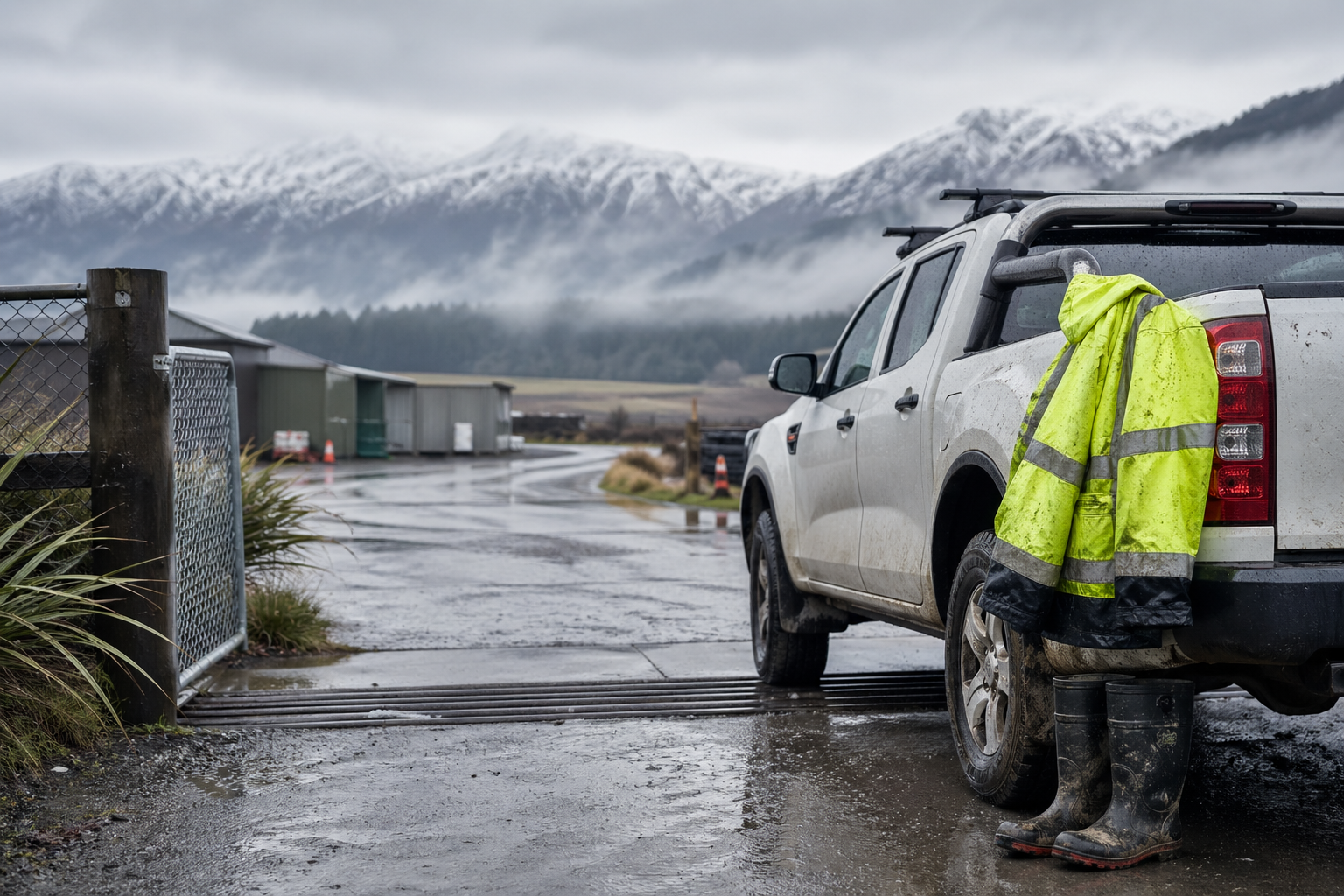
Recently, we were talking about staying hydrated and keeping sunblock handy. Now we’re talking about keeping warm and staying dry. It’s time to turn our attention to the seasonal shift in H&S risks.
Summer hazards tend to be loud and obvious. Heat, glare, dehydration - everyone gets the idea. Winter is a bit more… slippery, about it. Risks do not vanish. They’re just a different flavour. From barbecues to slow cooked stews. Ice cold Corona to piping hot mulled wine. The flavours of risk change for winter.
One of the first things winter changes is temperature, exposure and wind chill. It is not just a matter of asking “how cold is too cold?” and waiting for a magic number. WorkSafe’s guidance is pretty clear that cold becomes much more of a problem when you add wind and wet conditions, because that is when bodies struggle to stay warm.
Then there is the less glamorous but very real issue of wet gear, drying rooms and…. charging habits. Winter can turn lunchrooms, workshops and office corners into unofficial drying stations. Jackets appear over heaters. Boots gather under desks. These are the routine challenges of winter, but something less obvious is that chargers can multiply. Batteries from power tools, torches, heated thermos’, E-scooters, E-bikes and heated jackets suddenly spend more time plugged in, indoors. That is worth giving consideration because those two hazards can combine to result in an increased risk of fire… so keep an eye out for wet jackets draped over heat sources and mystery battery chargers doing overtime in the corner!
On-site, Winter challenges the quality of grip, dexterity and reaction times. Cold hands do not do fine motor control particularly well. Wet gloves are not exactly a performance enhancer either. Tasks that feel routine in good conditions can become clumsy and unforgiving when people are cold, stiff or rushing to get out of the rain. That is often where winter catches people out - not in one dramatic event, but in the slow erosion of margins.
In the office, colds, flu and absenteeism take the spotlight. Every workplace has at least one person who insists they are “fine” while sounding like they are only held together with tactically placed scarves and questionable doses of cough syrup. Your business might consider sponsoring a group field trip to get the flu jab (for those who want it) or let staff get it during paid work time. That and a few strategically placed bottles of hand sanitiser. Consider your office culture around sickness absences and communicate them to your team early, at a toolbox meeting.
When it comes to projects, winter teaches stern lessons in judgment, timing and knowing when to reschedule. Sometimes the best control measure is not an extra safety watch alongside a cherry-picker, a better jacket or another toolbox meeting. Sometimes it is simply deciding not to do the job today. WorkSafe’s outdoor-conditions guidance leans heavily in that direction - manage the risk according to the conditions you have, not the ones you wish you had.
At this time of year, fuel prices aren’t the only reason to put the spotlight on vehicles, driving and general travel plans. Rain, fog and in some parts of the country even ice and snow can make road conditions more treacherous. From November 1st this year, the government will be extending minimum Warrant of Fitness requirements by double for some vehicles, meaning that brakes, tyres, wipers and lights aren’t being inspected as regularly. Use the change of seasons to think about your business, its vehicles and an appropriate response to the risk.
And of course, winter amplifies the old classic: slips, trips and falls. Wet entrances, muddy boots, slick concrete and poor lighting remain some of the least glamorous but most consistent methods of hurting ones-self. Ask your team: “Has anyone had a close call or near miss with a slip, since the floor has been wet?” and identify hazardous areas. Deploy floor mats. Apply gritty coatings to slippery surfaces. Ensure a minimum standard of constant workplace tidiness. We can’t control the weather - so we may as well do what we can to minimise this natural risk.
There is also a more human factor to all this relating to morale, patience and Seasonal Affective Disorder (SAD). Cold, wet weather has a remarkable ability to make everyone just a little bit more “over it”. Tempers can shorten. Corners can be cut. A workforce that is cold, tired and mildly fed up is not usually operating at its sharpest. SAD is recognised by some New Zealand health professionals as a legitimate form of depression affecting up to 10% of the population. As an employer, do your best to stay in front of that curve and support your people.
That is really the point of winter H&S. It is not that winter is automatically more dangerous than summer. It is that the risk profile shifts.